What Happened
Pauline Hanson’s One Nation party is facing intense scrutiny over its migration policy after conflicting explanations from prominent party figures threw the numbers behind its key political pledge into confusion. The dispute carries significant weight for a party campaigning heavily on reducing migration, as the different definitions could change the real number by tens of thousands, or potentially more than 100,000 people annually.
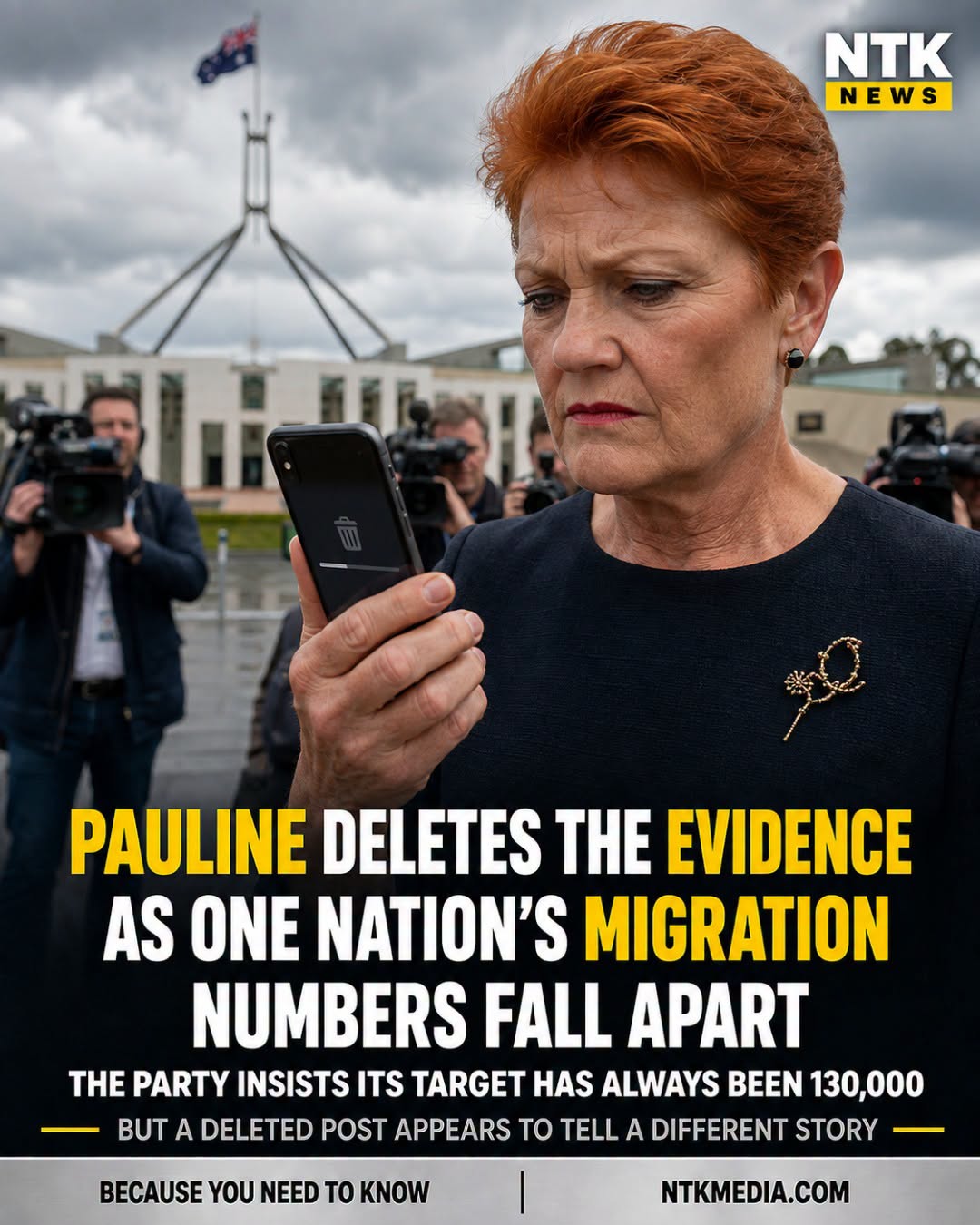
Hanson maintains that her party’s target has always been clear, yet differing accounts from herself, the party machinery and newly elected MP David Farley have created uncertainty over whether a proposed figure of 130,000 refers to permanent migration, net overseas migration or migrant arrivals. The controversy intensified when Hanson deleted an earlier social-media post that reportedly described One Nation’s position as a cap of 130,000 migrant arrivals.
A cap on arrivals differs from both permanent migration and net overseas migration. Because net migration subtracts departures from arrivals, capping total arrivals at 130,000 could theoretically yield a very low or negative net migration figure depending on departure rates. While political parties routinely remove outdated material during policy revisions, the deletion carries political weight when Hanson and Barnaby Joyce insist the policy has remained consistent throughout.
If the earlier post utilized a materially different definition, the party has not clarified when or why the policy shifted. One Nation has now been linked to at least three distinct descriptions of its 130,000 target: a permanent migration cap, a net overseas migration target and a cap on migrant arrivals, alongside Farley’s introduction of potential additional workers.
The Timeline
During an August 6 ABC News interview, Hanson stated that One Nation’s proposed cap of 130,000 applied specifically to permanent migration. She added that backpackers and other short-term workers would still be permitted to enter Australia on different visas, meaning total net overseas migration could exceed the stated cap.
Permanent migration and net overseas migration are not interchangeable figures. The permanent program primarily counts individuals granted permanent visas, whereas net overseas migration measures the difference between arrivals and departures based on duration of stay, incorporating temporary visa holders such as international students and working holiday-makers.
One week later, however, One Nation provided SBS News with a different clarification, stating the 130,000 target would apply to net overseas migration instead of just the permanent migration program. Hanson later repeated that the party intended to reduce net overseas migration to 130,000 by cutting international students and dependents, slashing temporary graduate visas and implementing a more targeted skilled-migration system.
The policy debate widened further when newly elected One Nation MP David Farley told ABC’s Insiders that the party’s migration stance was not vastly different from Labor’s. Farley referenced a figure of roughly 130,000 but noted that at least another 100,000 workers could still be admitted for essential jobs in sectors like agriculture, construction and healthcare.
That interpretation could push the practical figure to about 230,000, aligning closely with Labor’s forecast. His remarks conflicted with the idea of 130,000 acting as a complete ceiling. Hanson quickly stepped in to insist the target remained 130,000 net overseas migration, while Barnaby Joyce dismissed Farley’s comments as a rookie mistake and asserted that the extra 100,000 would not be added on top of the target.
Who Said What
The policy Hanson confirmed on Sunday, 23 August 2026 would mean about 230,000 more people coming to Australia than her post from March. Farley, who was elected earlier this year in the Farrer byelection sparked by the resignation of former Liberal Party leader Sussan Ley, said on Sunday, 23 August 2026 that his party would split the net overseas migration figure in the federal budget into “true NOM” and other migration the party does not want to include in the figure.
He argued that essential workers must be handled separately because regional businesses and industries rely on overseas labor. This number would be achieved by reducing international students, temporary graduate visas, and a “much more targeted” skilled migration program, Hanson said.
By comparison, Labor has forecast that net overseas migration will drop to approximately 225,000 by the 2027–28 financial year, making a true 130,000 ceiling a substantially lower target. Opposition home affairs spokesman Jonno Duniam on Monday, 24 August 2026 ruled out slashing working holidaymaker numbers to bring down immigration levels despite data showing they made up 17.5 per cent of the net migration figure in 2024-25.
Latest government data from June 30 this year shows this trend has continued: there were 225,648 working holidaymakers in the country at the end of the financial year, which is the highest June data on record. Labor has attacked One Nation after the populist party’s newest MP made a surprising claim, putting him at odds with Pauline Hanson.
Why This Matters
Given that migration directly affects housing demand, universities, hospitals, infrastructure, regional industries, wages and economic growth, One Nation now faces direct calls to publish a complete, costed migration policy utilizing nationally recognized definitions to clarify whether temporary and essential workers are included.
Current building rates suggest their figure would be under 180,000; however, the Coalition is yet to announce where they would restrict immigration to reach that figure. Opposition leader Angus Taylor has said the Coalition will cap NOM at or below the number of homes built in Australia the previous year.
The visa caps One Nation plans to set would place policy restrictions on NOM, but they can’t control it entirely. Home Affairs Minister Tony Burke was set to detail Labor’s plan to ensure that forecast was met, but pulled out of a National Press Club address at the last minute over fears about the implications cuts would have for certain sectors.
“But we’ve been very focused on getting the right migration mix to grow the economy as well as the broader interests of Australia,” Conroy told ABC Radio National on Monday, 24 August 2026. “Our policy will be released when Tony Burke is in a position to do so.”
In 2024-2025, 568,000 people entered Australia, according to the ABS, down 14 per cent on the previous year. The dispute carries significant weight for a party campaigning heavily on reducing migration, as the different definitions could change the real number by tens of thousands, or potentially more than 100,000 people annually.